




When people search for clans in “The 100”, they are usually trying to understand how the society is organized. The world in the series is not run by one central authority anymore. Instead, several groups formed over time after major disasters reshaped civilization. Each group developed its own leadership methods and social rules. These differences affect how members behave during conflict or cooperation. A clan system makes the world feel divided, but also structured in a strange way.
Clan identity matters more than individual identity sometimes
In discussions about Clans of “The 100”, identity becomes a serious topic. Members often place clan loyalty above personal preference or comfort. Decisions frequently reflect what benefits the group rather than the individual person. That approach may look strict to outsiders watching the story. Still, it creates stability inside the community. Shared identity helps people survive in uncertain environments. Loyalty to the clan can become the most important value guiding behavior.
Leadership inside clans follows different patterns
Leadership varies noticeably across clans in “The 100”. Some clans rely on a strong central leader who makes most decisions. Others appear to involve councils or advisors during important discussions. Leadership style affects how quickly a clan responds to danger. A single leader can act faster during emergencies. Meanwhile, group leadership may create more balanced decisions. The difference becomes visible when clans negotiate or prepare for confrontation.
Territory defines many clan relationships
The fact of territory is massive when examining clans of “The 100”. They are often divided into groups that are in control of a certain piece of land or resources. Necessarily, boundaries define affiliation or wrangles among clans. In the event that the resources become scarce, conflicts in terms of their claims on territory escalate rapidly. Such disputes may quickly get out of control. Survival is not the only motive of land control, but influence as well. The clan that dominates a major territory normally commands more power during negotiations.
Cultural traditions shape daily life within clans
When one takes a closer look at clans in “The 100”, some aspects of culture come into play. Every clan comes up with traditions that affect the way of dressing, rituals, and modes of communication. There are other groups that lay stress on discipline and rigid codes of conduct. There are some who seem to be a bit more permissive in day-to-day affairs. These traditions make the members identify with their history. Loyalty to the group is also strengthened by the practices of the culture. Foreigners are not always able to comprehend those traditions.
Language differences sometimes appear between clans
The variation of language can sometimes be observed in the case of clans the of “The 100”. There are special words or dialects that are used by some clans when conversing. These variations can be rather insignificant yet have some sort of symbolism. Another method of indicating that there is identity and belonging is through language. It assists members in identifying the members of their group in a fast manner. The language barrier may also make it difficult to negotiate between clans. Even minor linguistic variations occasionally result in a misunderstanding.

Clan alliances change depending on circumstances
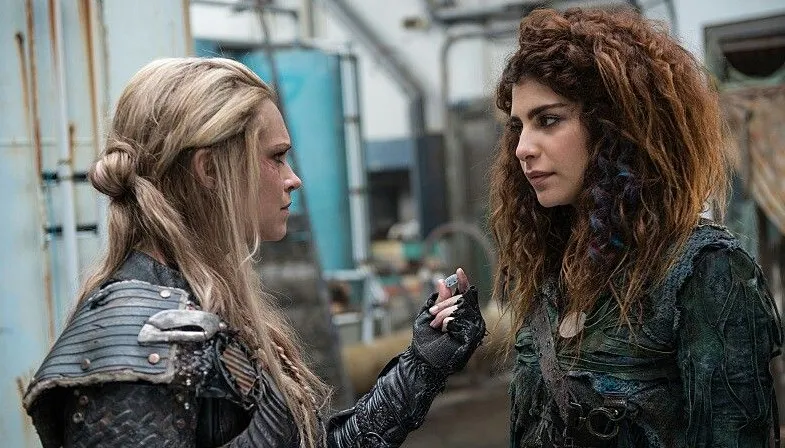
Clan Alliances: Alliances between clans are rarely permanent. Gatherings can collaborate when there is a threat of danger, but not when the sky is clear. The strategic partnerships are usually based on resources, security, or political influence. One clan may be on one side today and fight another one tomorrow. Such alliances and counter-alliances bring uncertainties in the region. Leaders have to review people whom they can trust all the time.
Military organization exists inside many clans
When reading Clans of “The 100”, defense systems seem very common. The majority of the clans have some kind of trained warriors or guards. These are those who defend land and impose domestic regulations. The way of training will depend on the culture of the clan. Others are strict and formal lines of command. Others make more use of personal ability and experience. Preparedness in the military usually determines the level of respect a clan has amongst others.
Conflict resolution differs between groups
Different approaches to conflict appear across clans in “The 100”. Some clans prefer negotiation before taking aggressive action. Others move quickly toward confrontation when disagreements appear. These tendencies influence how disputes unfold. A negotiation-focused clan might attempt several meetings before reacting. More aggressive groups might escalate situations immediately. Understanding these patterns helps explain many tensions in the story.
Resource management drives many decisions
Resource availability strongly affects the actions of Clans of “The 100”. Access to water, food, and shelter remains a constant concern. Leaders must decide how resources are distributed among members. Shortages can create pressure inside the community. They can also trigger competition with nearby clans. Resource management becomes one of the most practical responsibilities for leadership.
Social hierarchy often exists within clans
Many clans in “The 100” develop internal hierarchies over time. Certain individuals gain authority because of experience, skill, or family lineage. These hierarchies help organize responsibilities across the group. Not everyone carries the same decision-making power. Leaders depend on trusted advisors or skilled warriors for support. The hierarchy creates a structure that keeps the clan functioning efficiently.
Cooperation sometimes happens despite rivalry
Even though tensions exist, Clans of “The 100” occasionally cooperate. Shared threats encourage temporary unity between rival groups. Environmental challenges or outside dangers may force collaboration. During these periods, clans exchange information or resources. Cooperation rarely lasts forever, but it shows that diplomacy remains possible. These moments reveal that survival sometimes matters more than rivalry.
Conclusion
To know Clans in “The 100” and Clans of “The 100”, the viewer is to see the leadership, culture, territory, and survival strategies. The clans are societies on their own, and they have their own traditions and priorities. The leadership setups determine the speed at which decisions are made in case of conflict. The resources and territory determine the relationships between neighboring groups. Cultural practices and languages enhance pride in society. Alliances change depending on situations and common threats. The competition aside, there is at times collaboration when it is necessary to survive. The examination of these clan systems enables viewers to comprehend the political and societal systems in general in the world.


